


On Sunday evenings as a kid, the whole family would pile into the car and drive around. We had nowhere to be. We looked at houses, admired the architecture of other people’s homes, and if we passed one under construction, we pulled over and walked right through it. Real estate was part of our family’s DNA, and my parents instilled that in me long before I knew what it was. My dad was always working on our own home, trying to make the best of what we had. Part of it was that doing the work himself was cheaper than hiring someone else, but he also loved spending his free time that way when he was physically able. Owning our home was the thing he was proudest of, and it turned out to be the best financial decision my parents ever made.
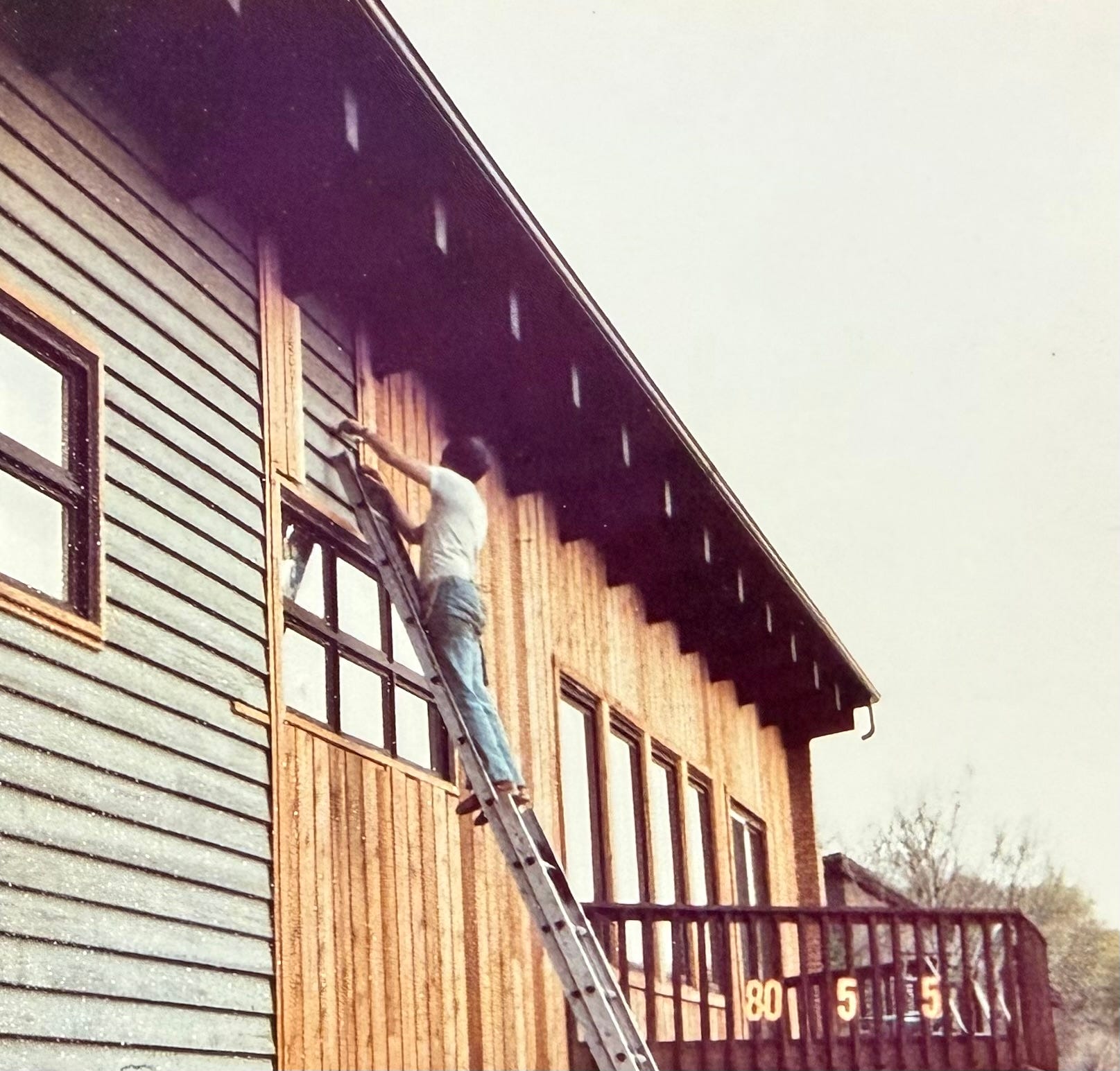
I didn’t know it then, but those Sunday drives are where I caught the real estate bug. I took it and ran with it. I’ve spent more than 30 years selling real estate, and through my companies, I’ve been involved in billions of dollars in transactions. Today, the overwhelming majority of my net worth comes from real estate.
So I pay attention when the internet decides homeownership is dead. Every few months a new wave of financial influencers, and even a recent Wall Street Journal piece, makes the case that renting and investing the difference is the smarter move. With mortgage rates back above 7%, close to the highest levels we’ve seen in more than twenty years, that argument is getting louder, and so many of you have asked me some version of the same question: should my kid buy now, or wait for rates to come down? I’ll be the first to admit I’m not a neutral observer. Real estate is what I do. That’s exactly why I don’t want you to take my word for it. I want to show you the math.
If you already own your home, congratulations. You’re building wealth every month, and you can skip the next two paragraphs on the numbers. But do you have a friend or a child who doesn’t own yet? This one is for them, so share it. Do they need to buy a home right now? Maybe not. But should they set money aside and save for a down payment so they can buy that first home one day? Absolutely.
That’s really just my simple formula for getting rich at work: earn more, spend less, invest the rest. It starts with always spending less than you earn. Want to spend more? Earn more. Then invest the money you save, and over time it grows and compounds. And one of the best places to start investing is the home you live in.
The Math Most People Skip
When people compare renting and owning online, they usually focus on one thing: the return on the home’s purchase price. Homes have appreciated about 4.7% a year nationally over the last 30 years, while the S&P 500 has averaged about 11%, so stocks win, and the case is closed. The problem is that almost nobody pays cash for a house. When you run the numbers, including financing, which is much harder to calculate, the picture changes completely. You put down 20%, but you earn appreciation on 100% of the home, while the mortgage pays down a little more each month.
I ran a full side-by-side comparison on a $700,000 home with 20% down at a 7.5% mortgage rate, and I gave the renter every benefit of the doubt. The renter’s monthly cost starts out lower, and I credited them for it. I subtracted maintenance, selling costs, and all taxes on the renter’s investment gains, and I assumed strong market returns and no rent increases beyond inflation. After ten years, the owner’s $140,000 down payment turned into a net worth increase of about $357,000. The renter who invested the same $140,000 in the stock market came out about $185,000 ahead. Owning nearly doubled the result, even at today’s rates.
Even Better When Rates Drop
That comparison assumes the owner is stuck at 7.5% for the full ten years, and they almost certainly won’t be. Rates go up and come down, and when you own, you benefit when they fall. If rates drop back to 6% a few years from now, where they were earlier this year, our owner could refinance and save roughly $500 a month while the house keeps appreciating. The renter has no such option. In fact, when rates fall, buyers pile back into the market, prices rise, and rents usually follow.
That’s why timing the housing market is a lot like timing the stock market. Everyone waits for the perfect moment, rates at the bottom and prices on sale, but that moment almost never arrives as people expect. Over time, the best returns go to those in the game, not those watching from the sidelines.
A Favor
If you enjoy this content, click the 💚 below. It takes two seconds, and it helps more people find these posts. Thank you.
What No Spreadsheet Can Measure
In a 1931 address, Herbert Hoover said, “To own one’s own home is a physical expression of individualism, of enterprise, of independence and of the freedom of spirit.” Nearly a hundred years later, that quote still holds true.
Like my dad, I take so much pride in owning my home. Every day when I drive down my driveway and see it, I still get that little rush of excitement that comes from knowing it’s mine. And it’s so much more than an asset. Our home has been the backdrop for so many of our family’s memories: the holidays, the birthdays, the ordinary Thursday nights that become the ones you remember. I can still vividly picture the house I grew up in, the living room where we opened our gifts on Christmas morning, and the home my dad spent so many weekends improving with so much pride. That house shaped who I became.
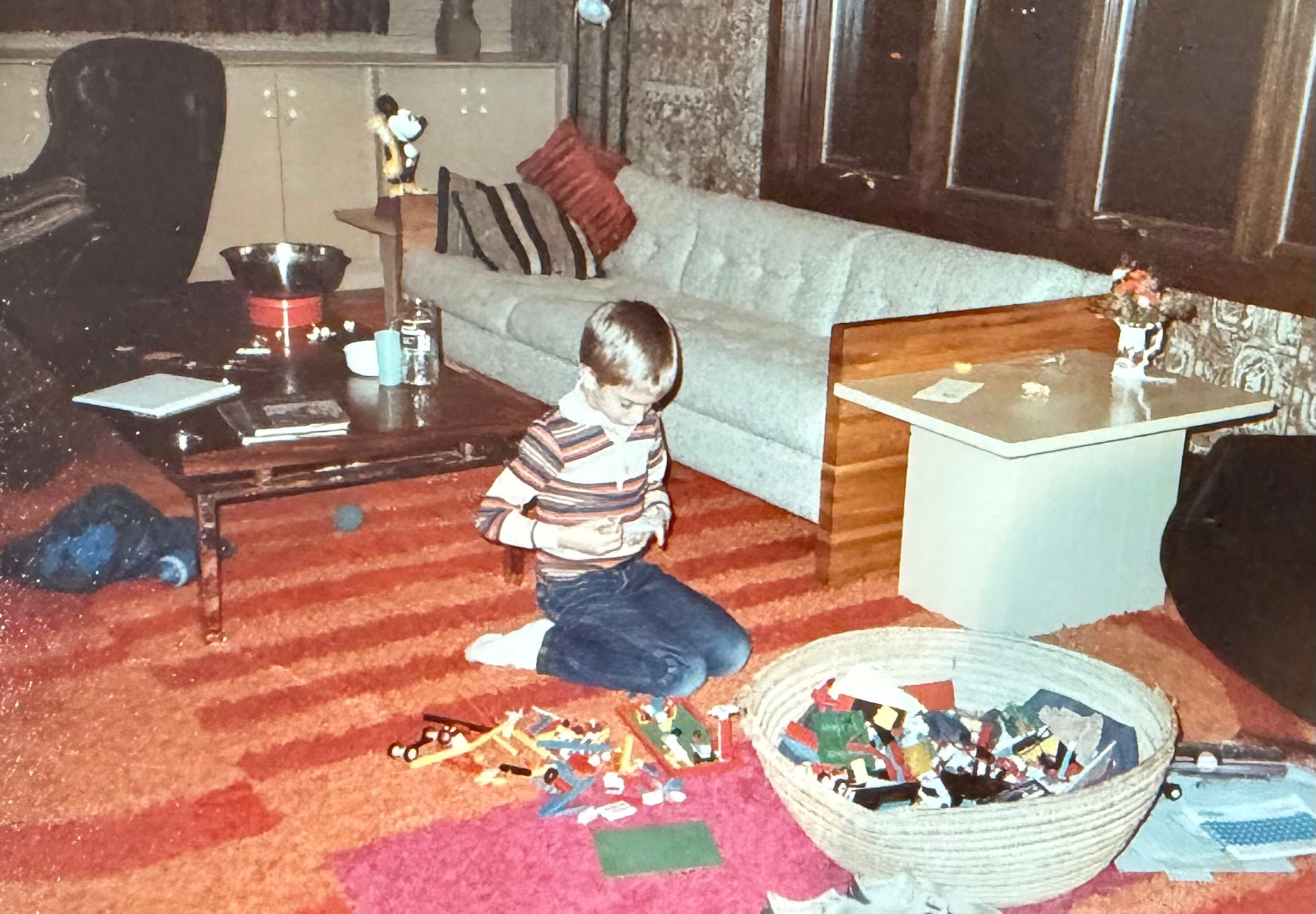
Owning also gives you a kind of stability that renting never can. As long as you pay your mortgage, nobody can tell you it’s time to move. No landlord decides to sell, no lease renewal comes with a surprise increase, and nobody uproots your kids in the middle of a school year. And because you will skip a meal before you miss a mortgage payment, your home becomes a forced savings plan that builds wealth in the background whether you think about it or not.
Large institutional investors have figured all of this out. Build-to-rent has grown from almost nothing into a multibillion-dollar industry in just a few years. Those investors aren’t buying houses because homeownership is dead. They’re buying them for the wealth that comes with owning them.
When the Time Comes, Buy It Right
If you’ve saved a down payment and can comfortably afford the monthly payment at today’s rate, get into that first home. It doesn’t have to be perfect. That’s why it’s called a starter home. Just remember that your return depends on the price you pay, and you’re not buying the whole housing market; you’re buying one house from one seller. Study the comps, prioritize location even if that means a smaller or older home, and don’t overlook the house that needs some work, because that’s where sweat equity turns into real equity.
Start Bold
If you own: take a minute this week to appreciate what your home has given you, both on paper and in memories.
If you don’t own yet: open a separate savings account and name it “Down Payment.” Even a small automatic deposit every payday will get you started.
Share this with someone who’s on the fence. Especially if that someone is your child.
Your Turn
What’s your favorite memory from a home you’ve owned or grew up in? And if you’re renting, what’s the one thing holding you back from buying?
I’m not your financial advisor, and everyone’s situation is different. Run the numbers for your own life before you make a move.
Minor in money. Major in life.
This is the first in a series of upcoming posts on real estate, where I’ll share how I actually built most of my wealth, starting with the house you live in.
Don’t drift. Live boldly.

The BOLD Life is for people who want to build wealth without losing themselves in the process - people who want their success to strengthen their health, relationships, purpose, and freedom rather than compete with them. If that’s the life you’re building, you’re in the right place. New here? Start with The Blueprint of a BOLD Life, then read whatever draws your attention. Every post stands on its own.
If you enjoyed this week’s content, please share it with a friend.
Gracias Chris,
Math never lies ... >;o)
Carlos
As someone whose parents were "too poor" to own a home, let alone investments, I can appreciate how difficult it is for some folks to realize the true value of "paying themselves first" by putting aside some portion of their paycheck towards saving for a down payment on a house and investing for the future. And no, they did not spend foolishly or make rash financial decisions; they just never learned to save. They lived in the same rented 900 s/f bungalow in Detroit for 15 years and had nothing to show for it when Dad passed away in it in 1972 forcing Mom to enter the workforce for the first time in her life at 45 years old. Luckily, she was able to get a good job and was able to support herself until she remarried three years later to a gentleman who owned a home and roofing business that she helped run.