


A few years ago, we needed somewhere to live for two years while we built our next home. Renting would have cost us about $100,000. Instead, we bought a house that needed work, fixed it up, lived in it, and sold it two years later for a $200,000 profit, tax-free. That’s a $300,000 swing from a house we never planned to keep, and it wasn’t luck.
It was the same approach I’ve used since I built my first home at 23. While my friends were all renting, I saved every penny I could for a down payment, took out a small construction loan (that’s all the bank would lend me), and built much of that house with my own hands to keep costs down. I still remember those long, hot days on the job site. They made the term “sweat equity” feel very accurate. That strategy, repeated over the years, has added millions to my net worth. That’s the power of compounding.
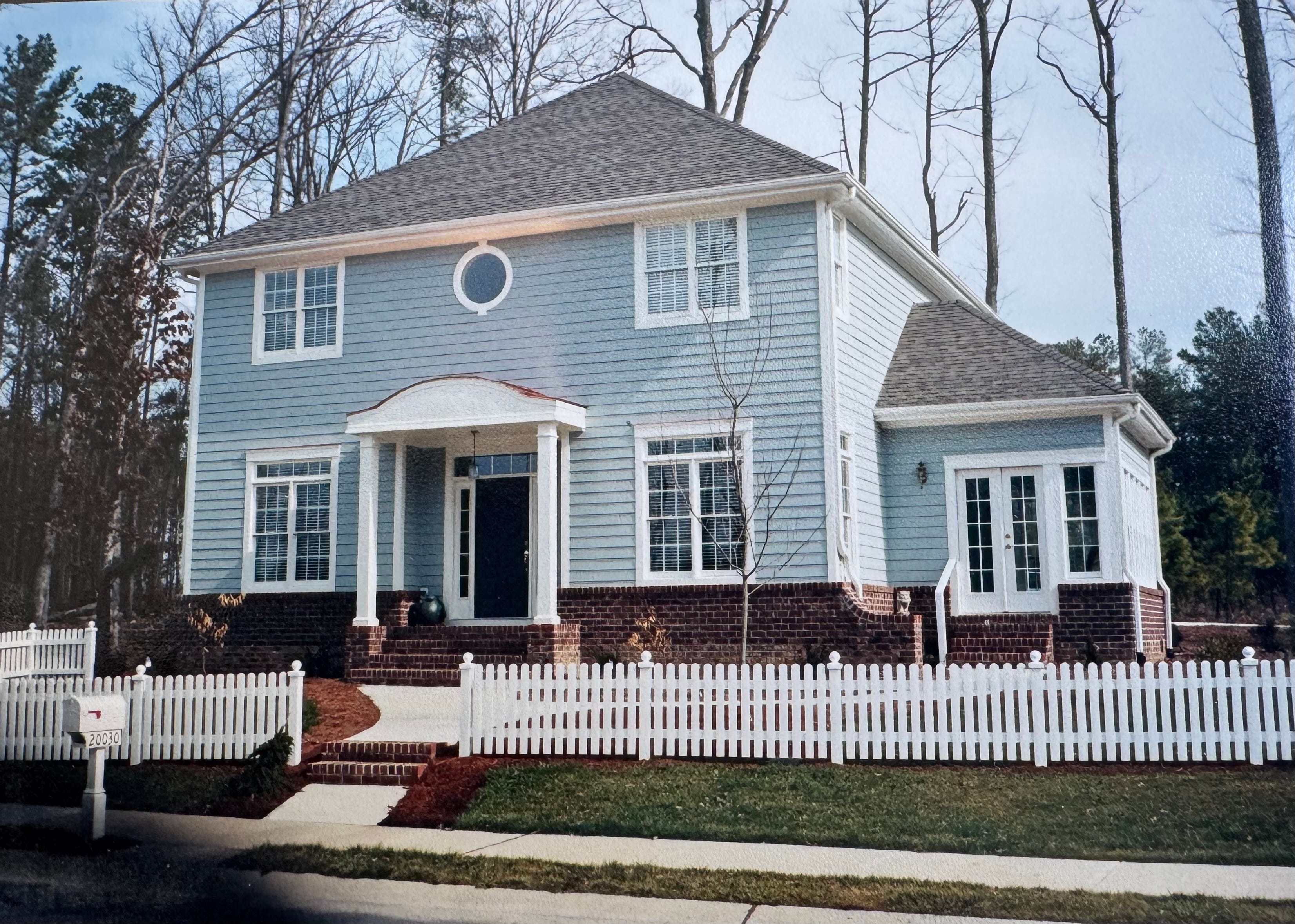
As many of you know, I’m a real estate guy at heart, and when I get going on the subject, I can’t help but geek out a little. Real estate is the tool I’ve used to build a life I love, and to fund the things I value most..
You can decide what investments make the most sense for you. Whether you love real estate or never give it a second thought, we all need a place to live, so housing is already part of your financial picture. The only question is which side of the ledger it sits on. When you own, your home is an asset that can grow in value over time. When you rent, it’s purely an expense, a check you write every month with no upside. That’s not much of an investment.
You don’t need to be an investor or know your way around a job site to do what we did. You just need to think about your home a little differently, and it comes down to three steps: own it, improve it, move it.
Step 1: Own It
For most families, the housing payment is the biggest bill of the month. When you rent, that money is gone the moment it leaves your account. When you own, it does double duty: part of every payment quietly builds savings in the form of equity, and ownership comes with real tax advantages along the way.
The biggest advantage is one most people have never heard of. When you sell the home you live in, you can keep up to $250,000 of the profit tax-free if you’re single, or up to $500,000 if you’re married, as long as you’ve owned it and lived in it for at least two of the last five years. That isn’t a loophole or a tax you’ll owe later. It’s simply yours, and you can use it again every time you sell a home you’ve lived in for two years. We’ve used it more times than most people, and each time it’s put our family further ahead.
Owning a home also fits my overall philosophy on life: get in the game. If you stand on the sidelines, life will only pass you by.
Step 2: Improve It
Owning is the foundation, and improving is the accelerator. This doesn’t have to mean gutting a house down to the studs. Some of our projects were big, like a new kitchen or opening up a floor plan, but many were as simple as fresh paint, new flooring, and a weekend spent on the yard. Every time, I asked the same question before spending a dollar: will this make the house worth more, or is it just for us? Both are fine, but it’s worth knowing the difference.
That two-year house is a good example. We bought it for $660,000 and put about $100,000 into it, adjusting the floor plan and refreshing the kitchen and bathrooms. Two years later, it sold for $995,000. After selling costs, we walked away with about $200,000, and because it was our home, we didn’t owe a cent in tax.
Will every home work out that well? No. But renting guarantees you lose that money every single time. Do something like this a handful of times over your life, and you can build real wealth while upgrading the place your family calls home.
Step 3: Move It
This is the step most people resist, and I understand why. We get attached to our homes, and for good reason. Many people also stretch to buy their “forever home” too early and then stay put for decades. That can feel safe, but it often means leaving tax-free gains on the table. We took a different approach. Every few years we sold, kept the profit, and moved up.
I’ll admit my wife was ready to be done moving two homes ago. She declared we were finally in our forever home. Then we moved again, and now she calls this one our “forever-and-ever home.” This time I think she’s right, at least until our boys are out of the house. But our willingness to move did more to grow our wealth than almost any other financial decision we ever made.
I also know moving isn’t right for everyone. If your kids are rooted in a school they love, or you’ve built a community you’d never trade, staying put may be the richest choice you can make. The point isn’t to move for the sake of moving. The point is to make it a conscious choice, not the default.
One practical tip if you’ve been in your home a long time: if your profit is getting close to that $250,000 or $500,000 limit, it may be worth thinking about your next move. Anything above the limit is taxable, so selling before you cross it lets you keep the gain tax-free and start building again.
Why This Works
Your home is a uniquely powerful tool because it does several things at once that almost nothing else can. You put down a fraction of the price but benefit from the growth of the whole house, so even modest increases in value of 4 to 5% a year add up to something significant over time. Every monthly payment forces you to save, whether you feel like it or not. Smart improvements add value that often comes back to you tax-free when you sell. And unlike a retirement account, you get to live in it and enjoy it the whole time.
A Favor
If you enjoy this content, click the 💚 below. It takes two seconds, and it helps more people find these posts. Thank you.
Should You Buy Now?
That’s a decision only you can make. Prices are at all-time highs, but prices are at all-time highs most of the time. Mortgage rates are in the mid-7s, which feels high compared to recent years but is actually right in line with the average since 1971. As for where rates and prices go from here, I wish I had a crystal ball. What I do know is that waiting for the perfect moment usually means waiting forever.
The Bigger Picture
This was never about chasing a bigger house. Some of my best memories are from homes we lived in for only a couple of years, the projects we tackled together, and how each place fit the season our family was in. The house was always the tool. The goal was what it made possible: more freedom, more security, and more room to focus on the people and things that matter most.
Live in your home, love it, and enjoy it. But also see it for what it can be: one of the most powerful tools you have for building a life with more options and less worry.
Start Bold
Know your equity. Pull up your latest mortgage statement and compare what you owe with what similar nearby homes have recently sold for.
Audit your improvements. List what you’ve done to your home and decide which projects added value and which were just for you.
Check your number. If you’ve owned for a while, estimate your profit against the $250,000 or $500,000 limit.
Your Turn
Is your home just a place to live, or is it also working for you? What’s the best improvement you’ve ever made to a house?
Minor in money. Major in life.
Don’t drift. Live boldly.

The BOLD Life is for people who want to build wealth without losing themselves in the process - people who want their success to strengthen their health, relationships, purpose, and freedom rather than compete with them. If that’s the life you’re building, you’re in the right place. New here? Start with The Blueprint of a BOLD Life, then read whatever draws your attention. Every post stands on its own.
If you enjoyed this week’s content, please share it with a friend.